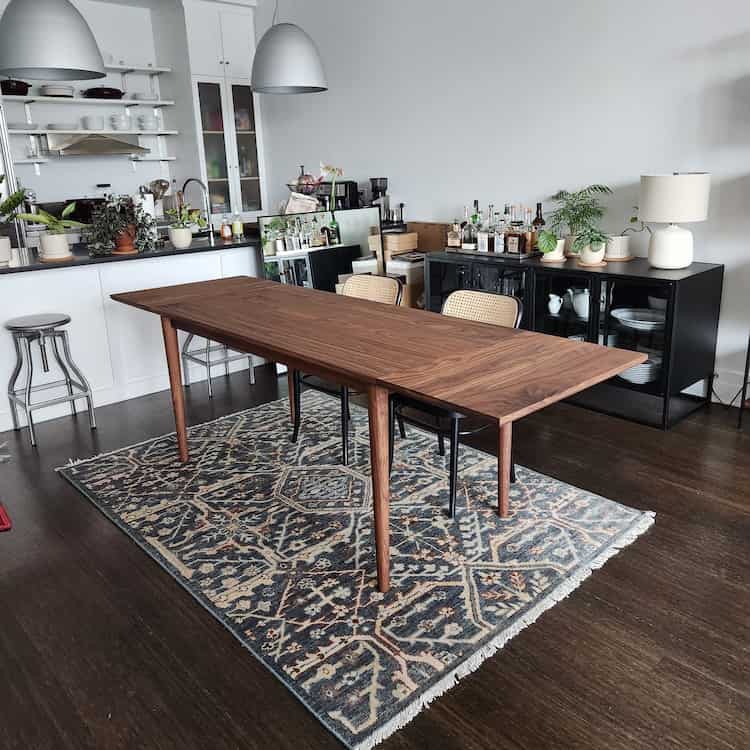
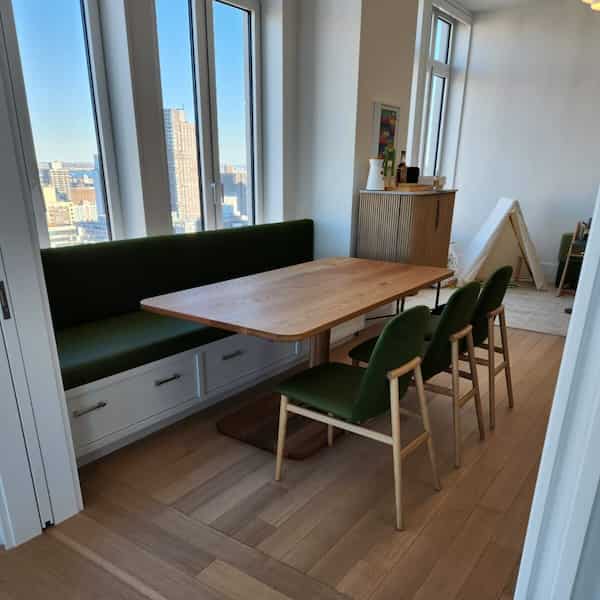
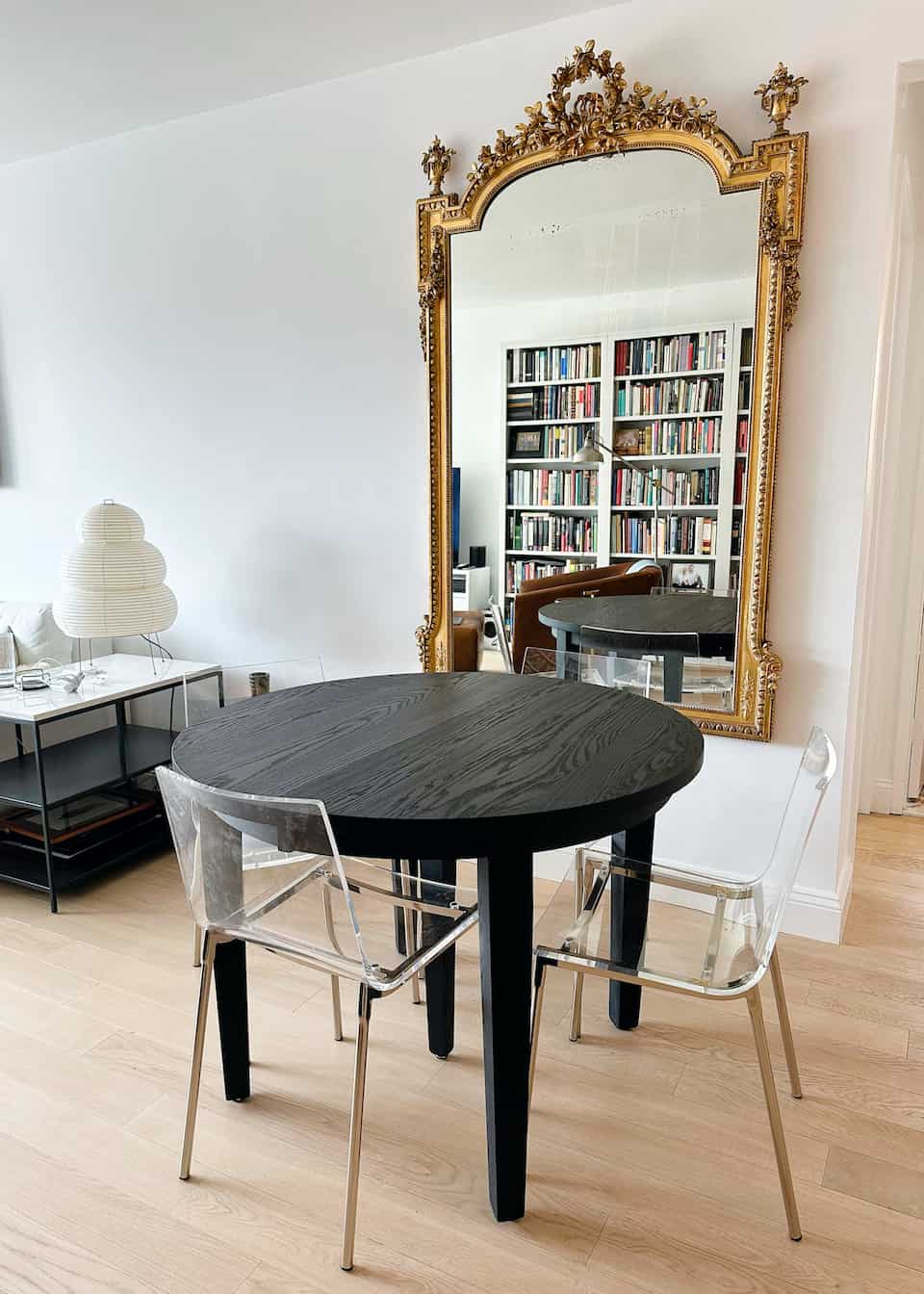
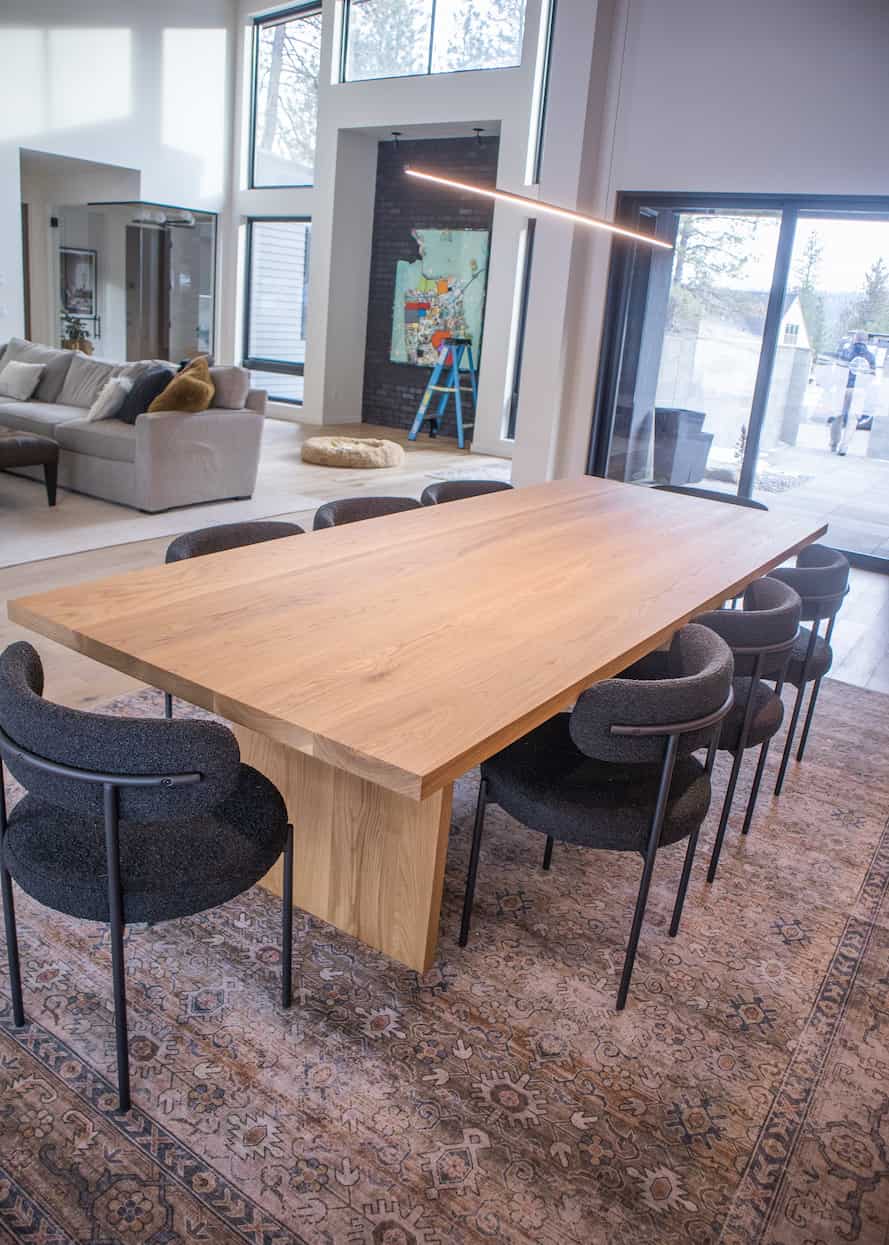
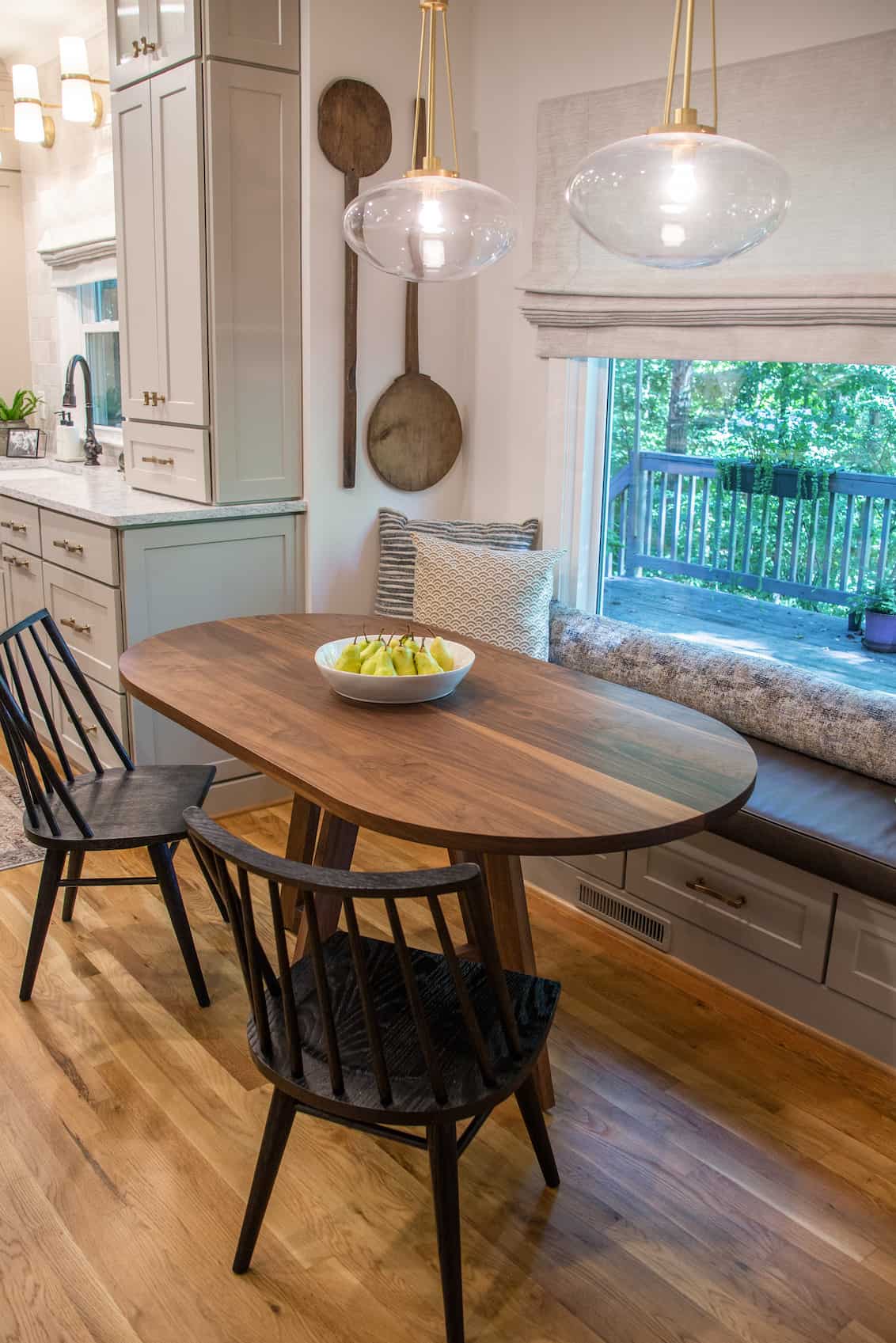
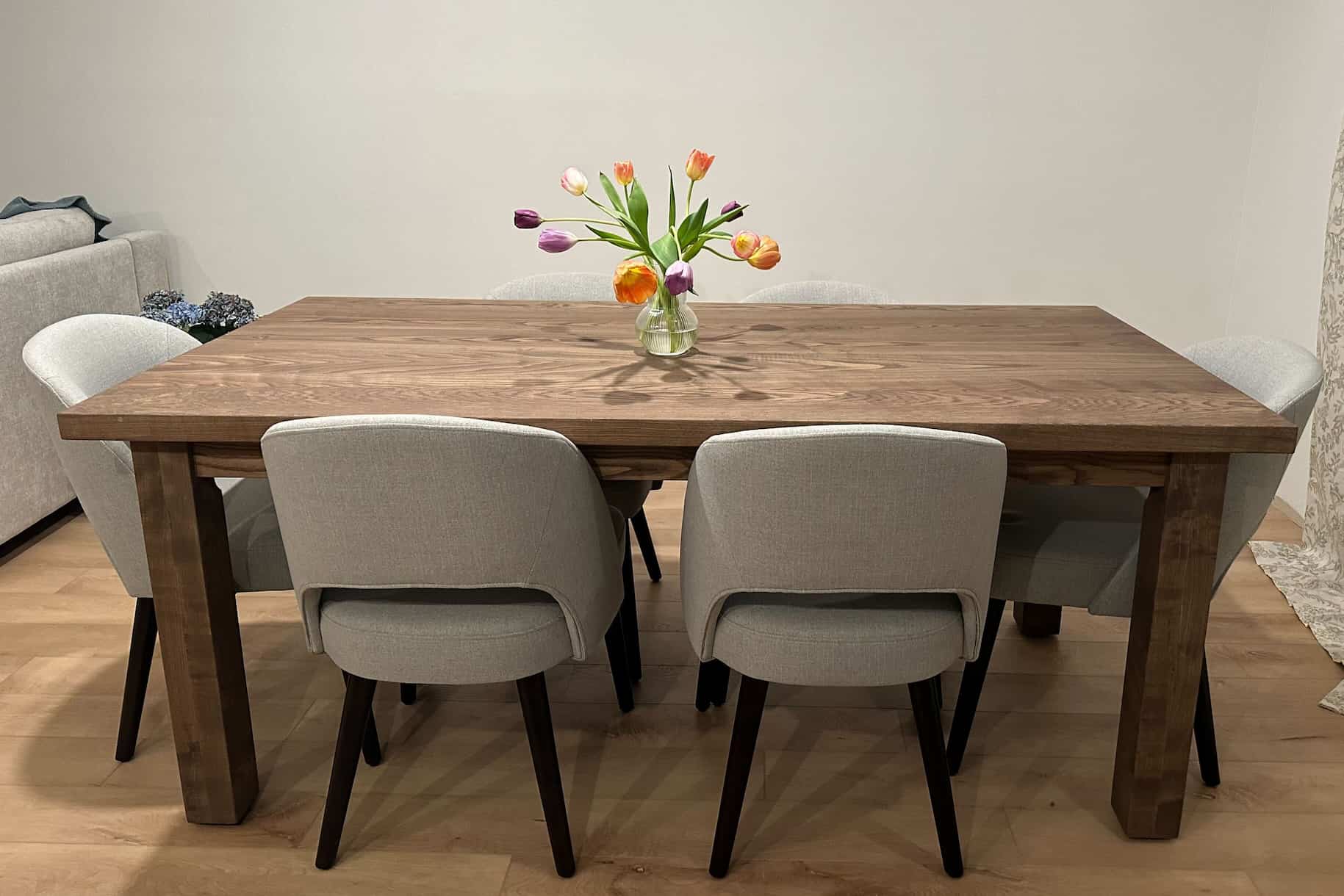
“Oak looks completely different from Ash” - no one, ever
So to point out the obvious, Oak wood looks a lot like Ash wood. They do look very similar, and they are very similar woods. But they aren’t identical; there are important ways that they’re different. There are also important ways they are the same. I’ll see if I can make a few notes here, so you have some ideas what to go with.
Open Grain Hardwoods
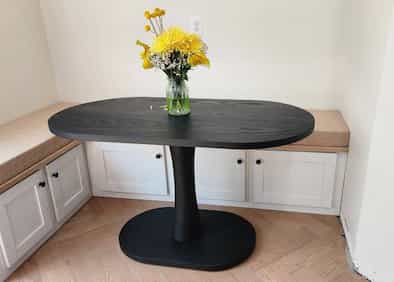
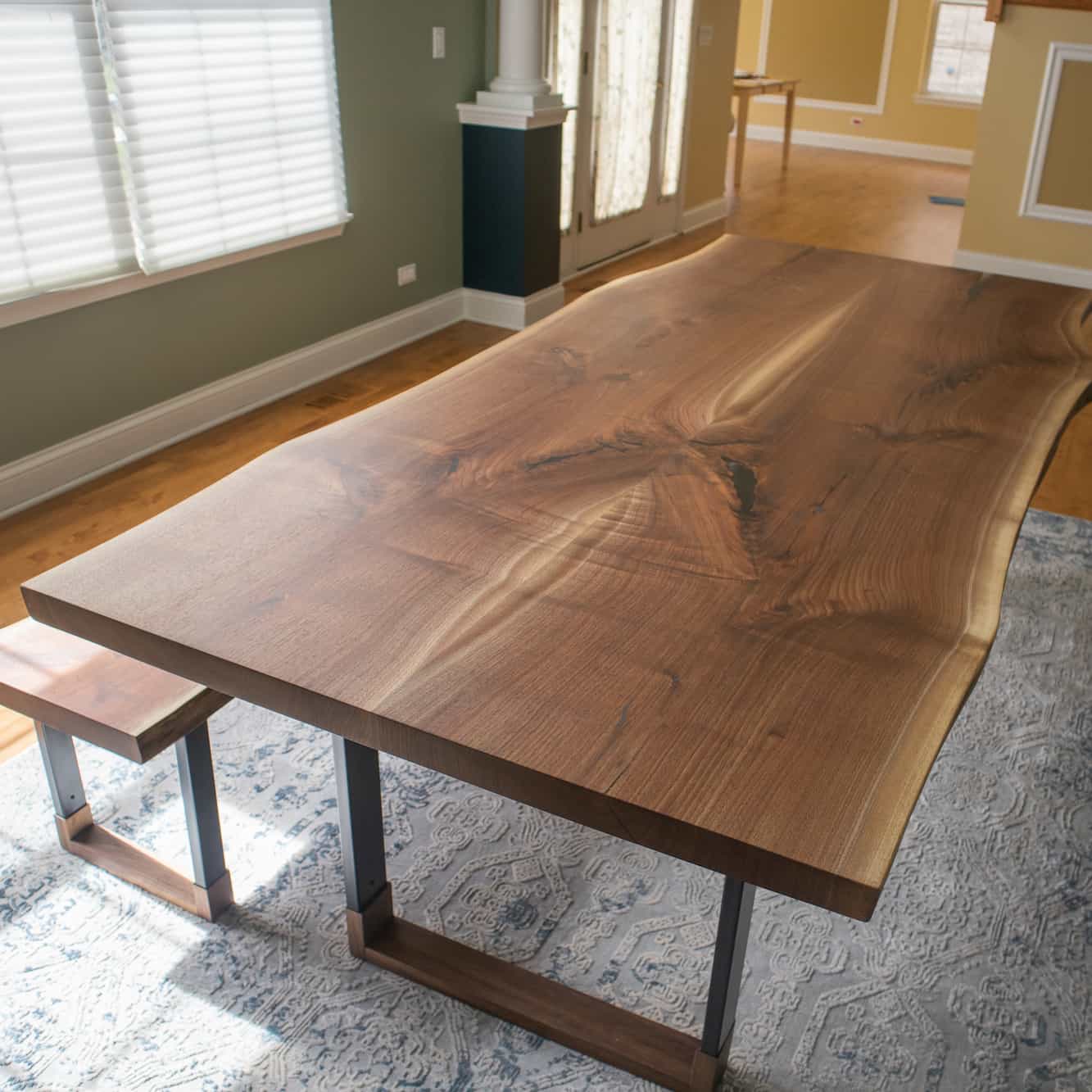
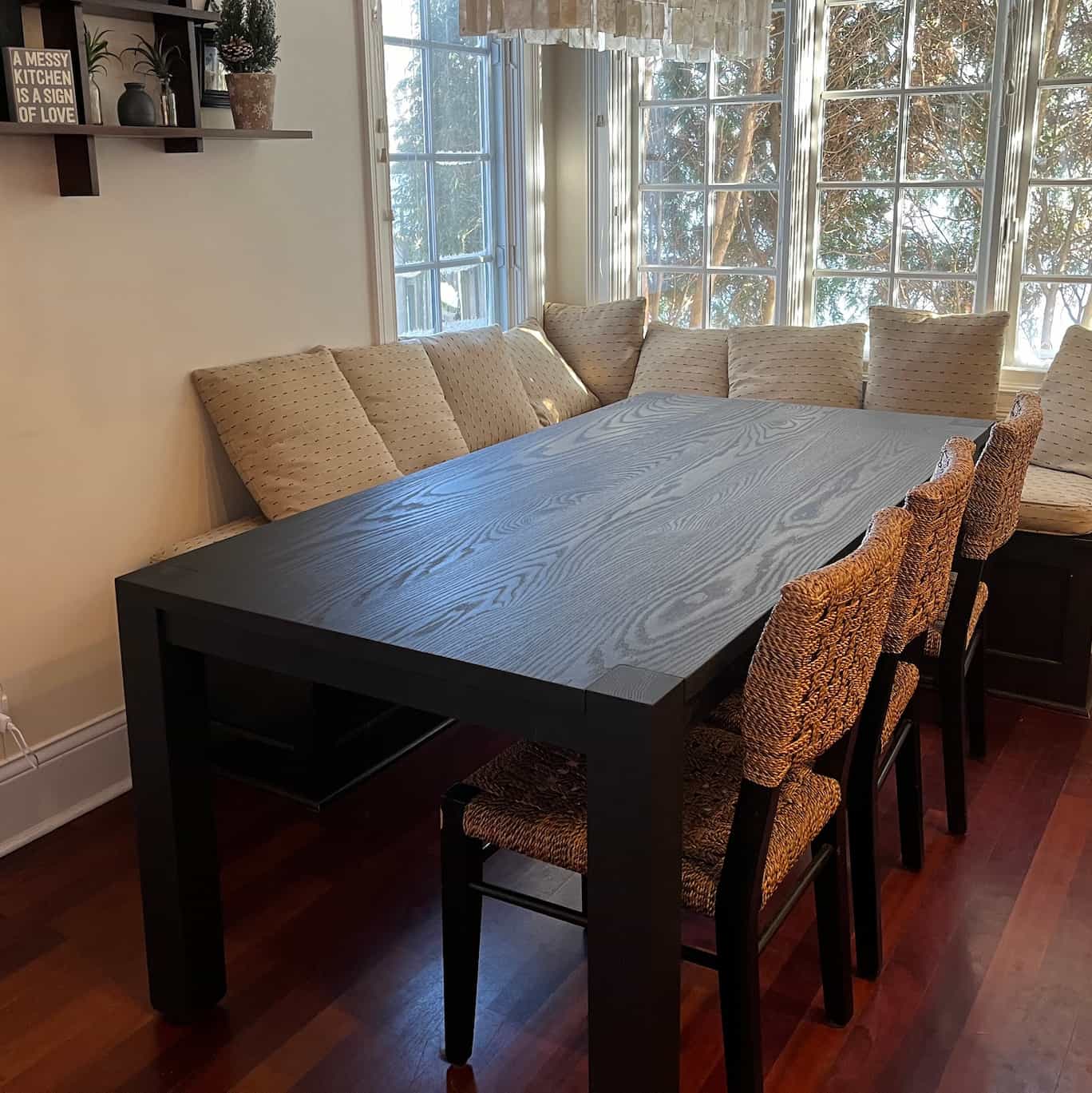
Ash and Oak are both open grain hardwoods. Basically this means that you can really clearly see the grain lines in the wood. This is a lot of what makes the two look so similar. Because these lines also have pores that are a little more open, they are able to take more stain or oil, so they look different once the table is finished. This can often be a desirable effect, often creating a subtle, or with some finishes quite dramatic, two tone look for the finish.
Even though the two woods do look very similar, there are 2 big differences in how they look. The color of the wood, and the style of that grain. First, I’ll look at the grain.
The Grain
Now an important note - there are different varieties of oak and ash woods. I’ll mostly talk about white ash and white oak, and a little about red oak, but there are even more out there. This affects the color as well as the grain patterns.
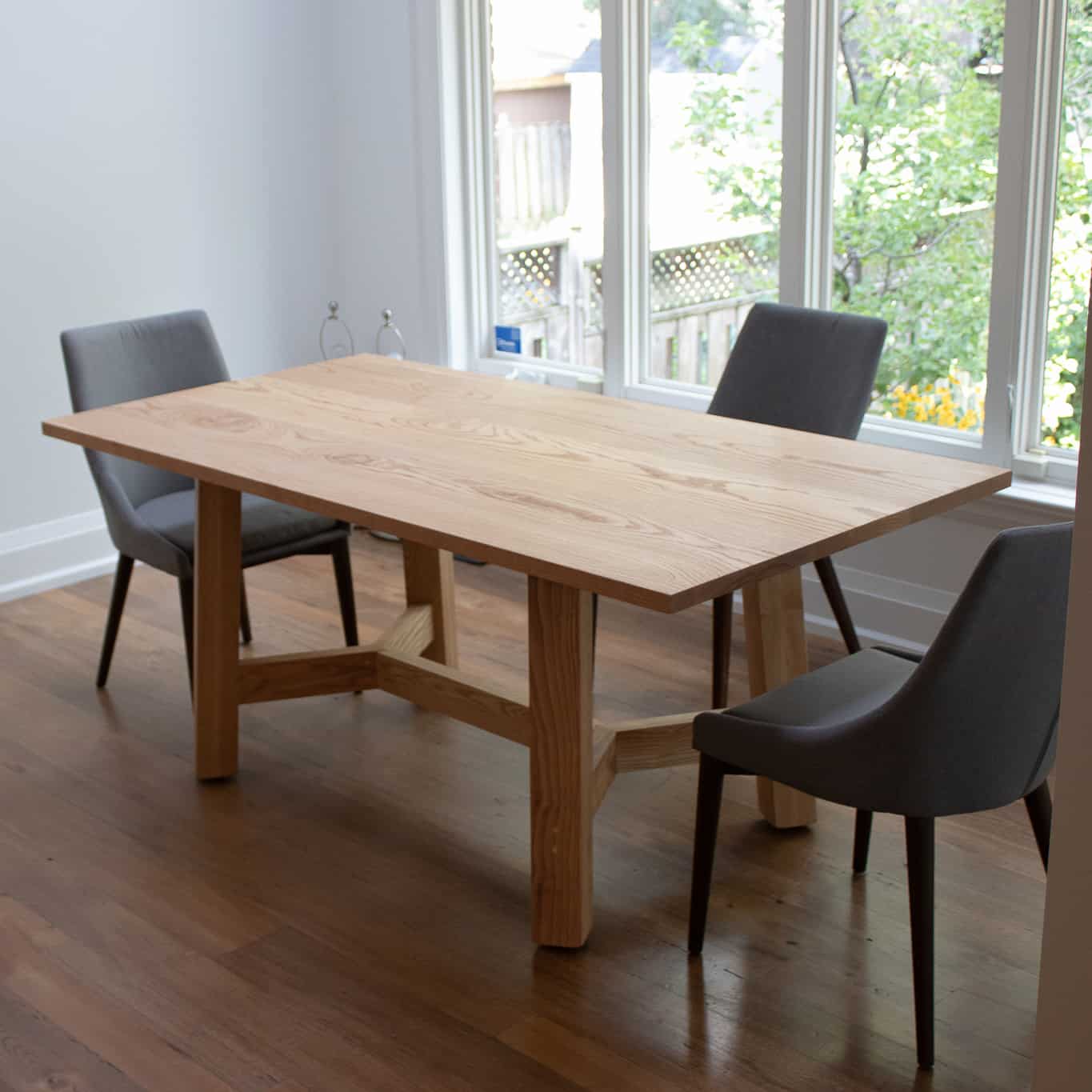
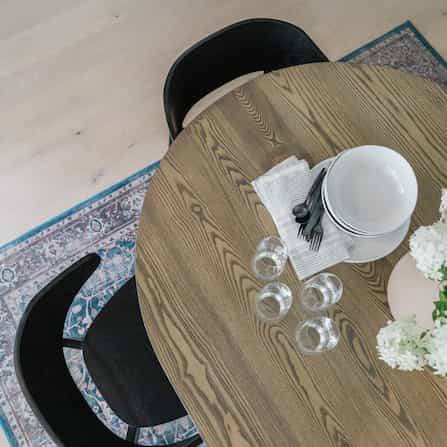
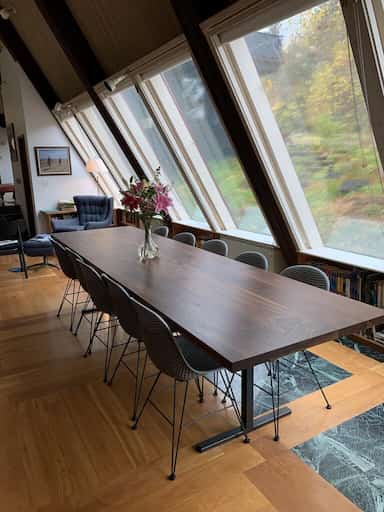
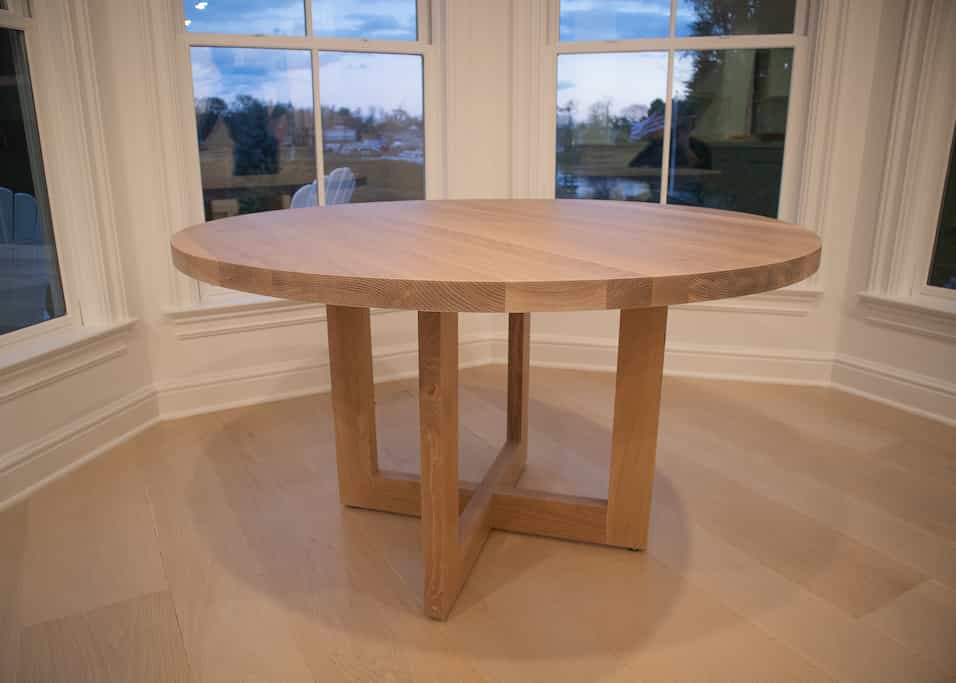
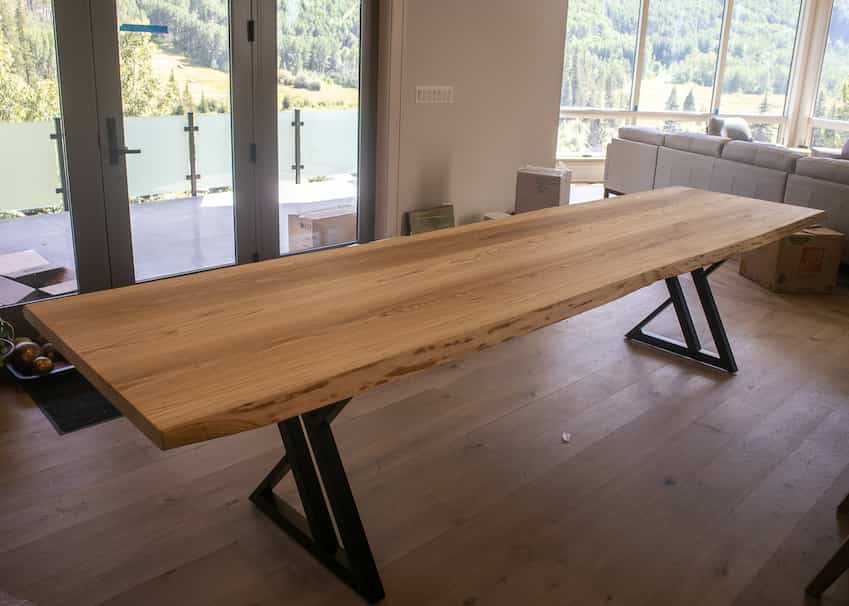
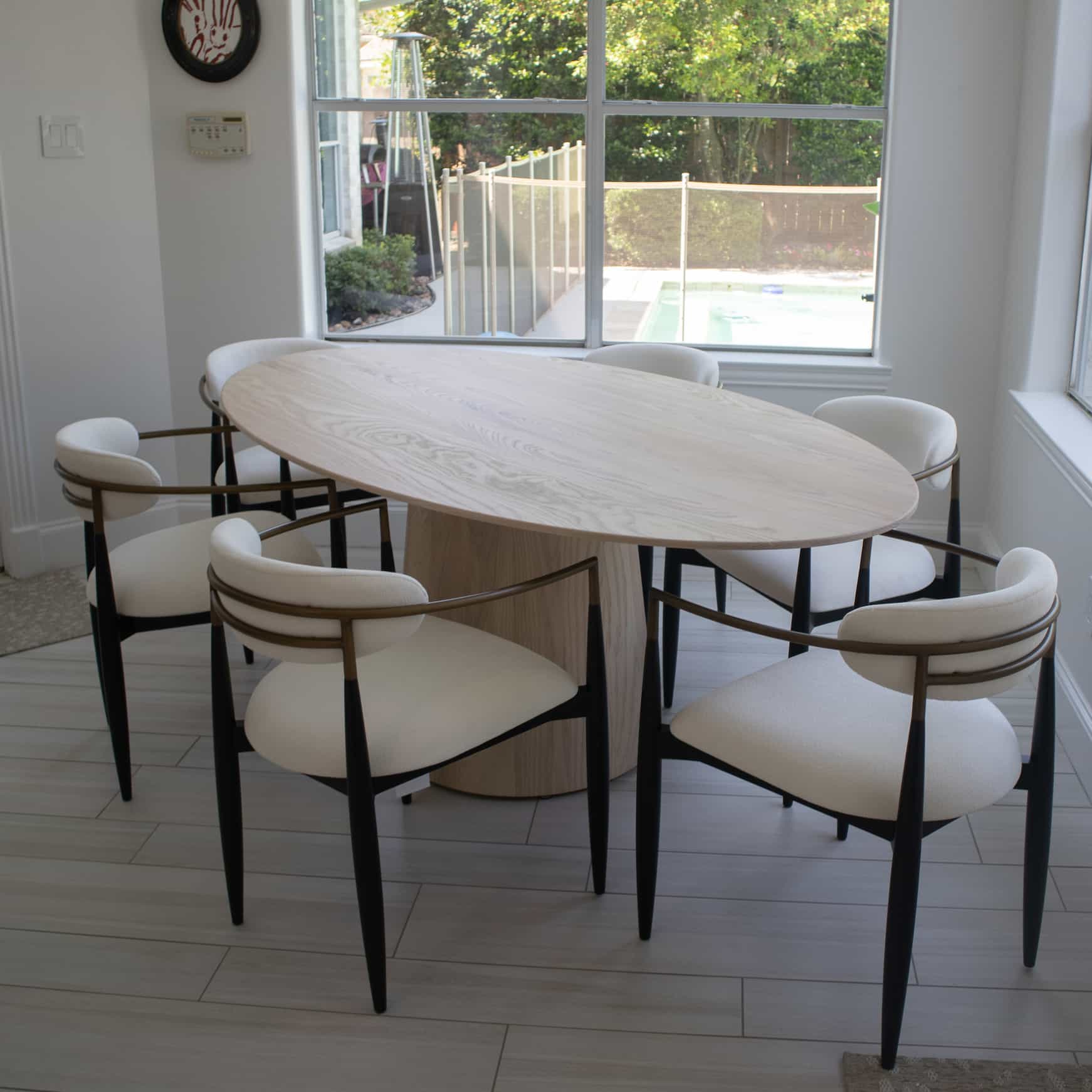
Now back to the grain. Again, it looks very similar, but is a subtle difference. I like to describe Ash wood as what you get when someone draws wood grain. Really obvious consistent lines. It looks like it could have been drawn with a marker. Oak is often a little finer, still clear consistent lines, but it almost looks like it’s made from many little lines right next to each other. Oak grain looks more like a pencil sketch, if that’s at all useful as an analogy.

The Wood Color
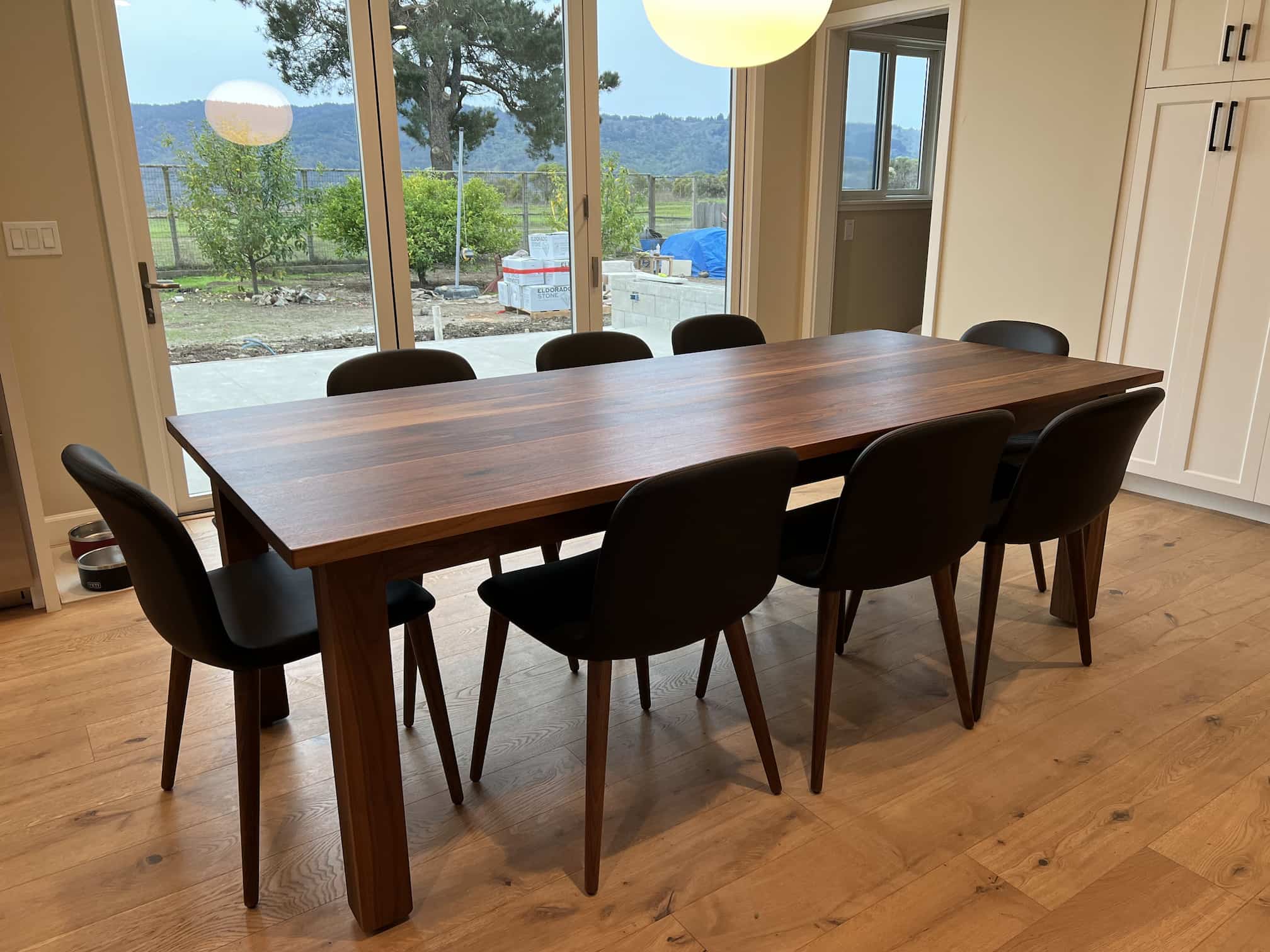
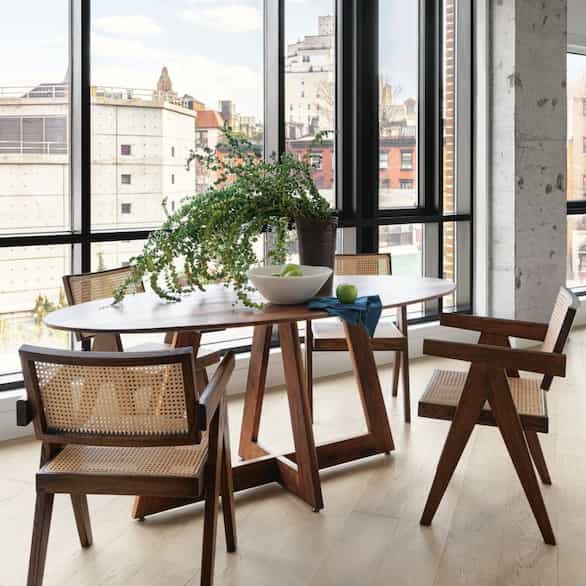
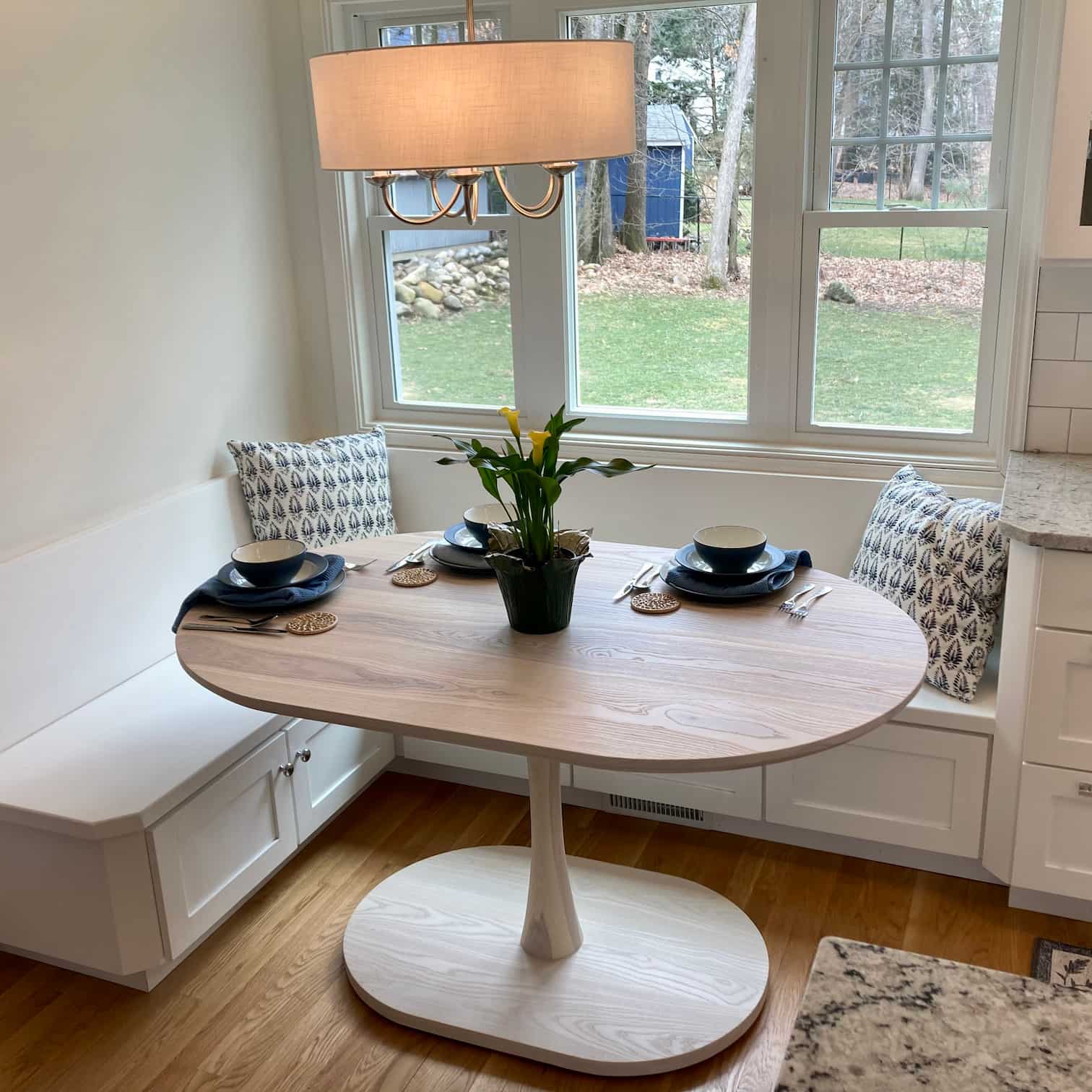
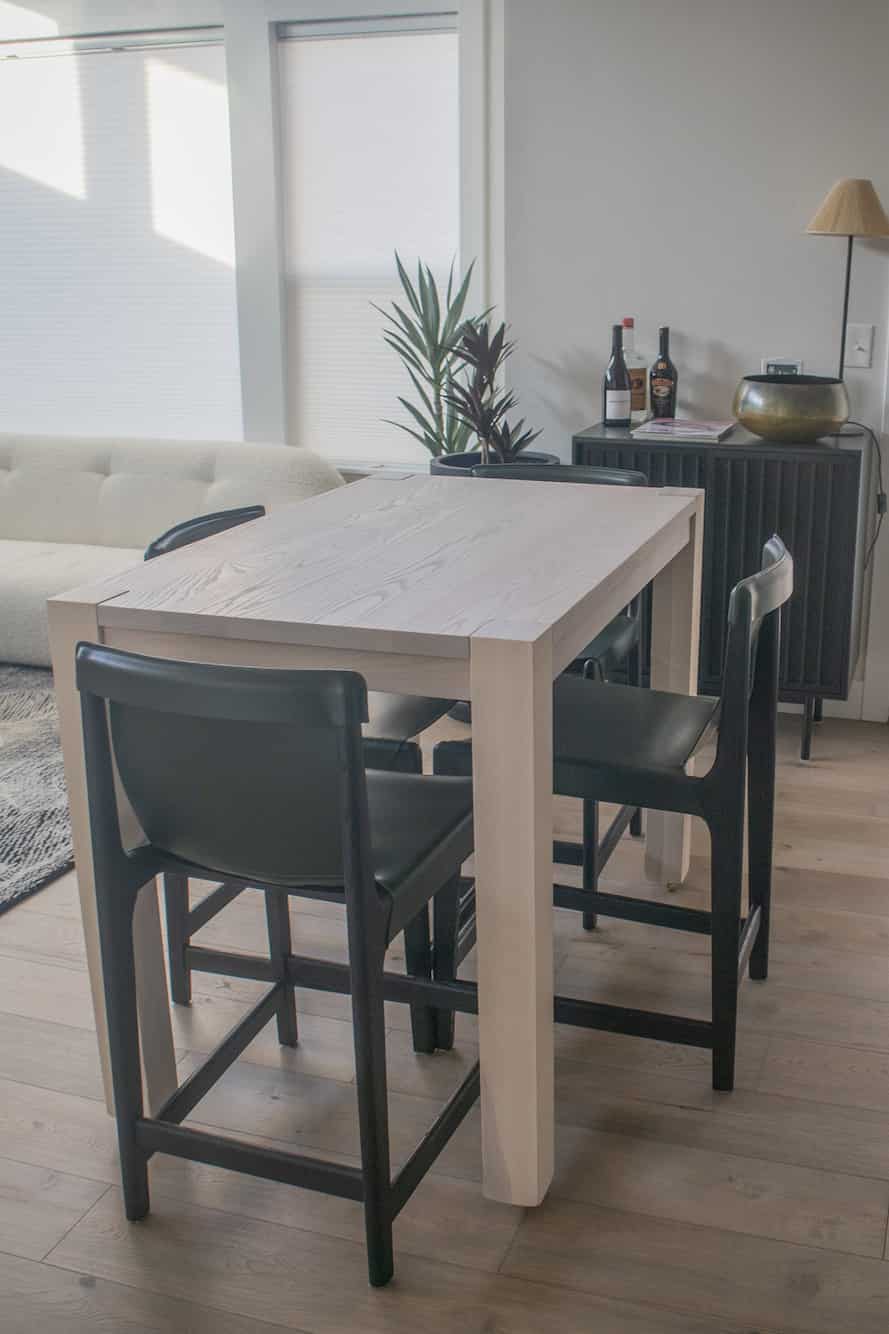
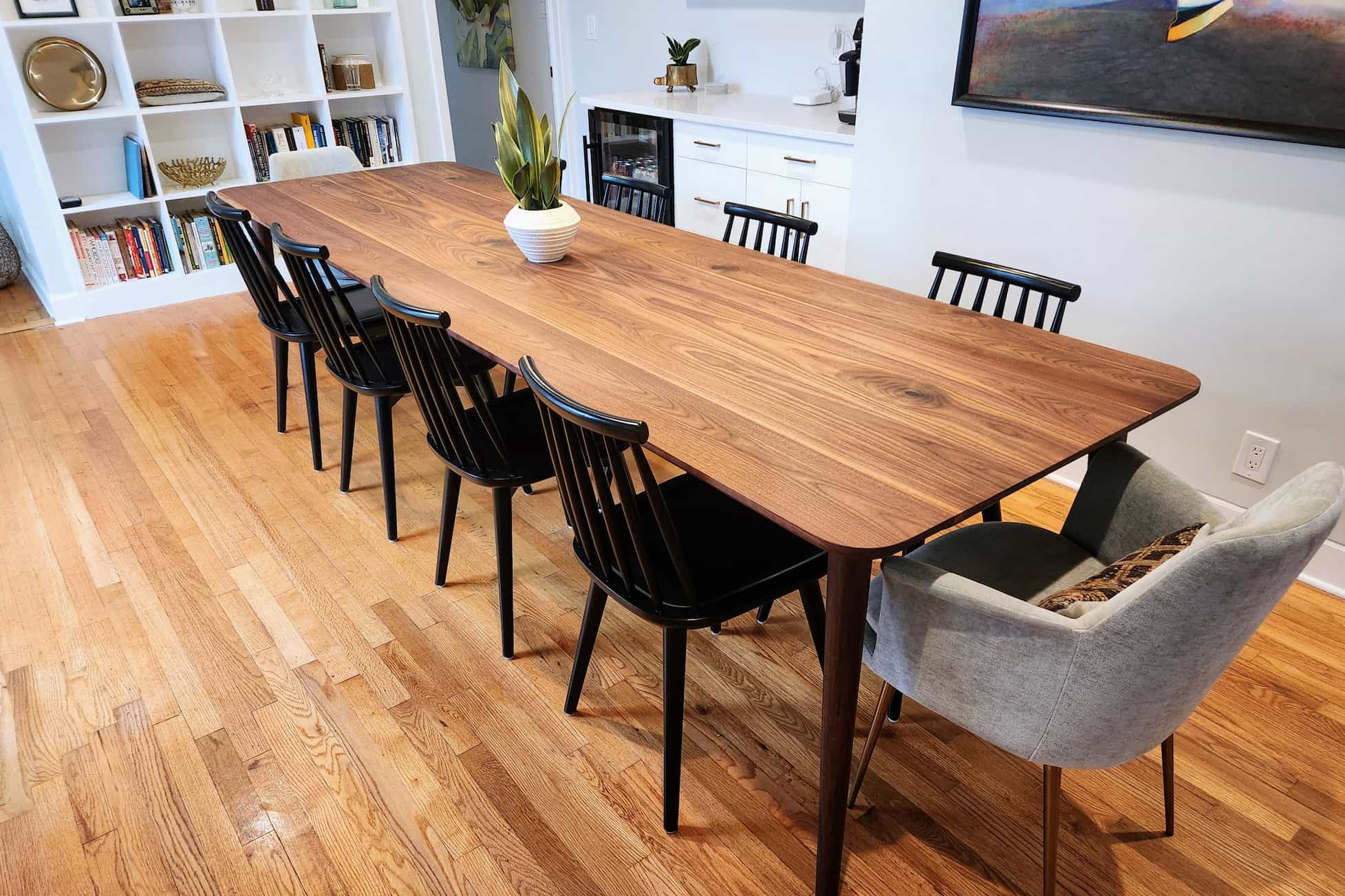
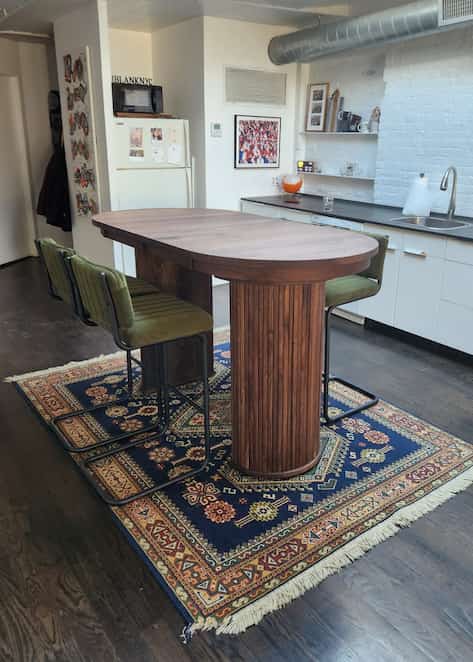
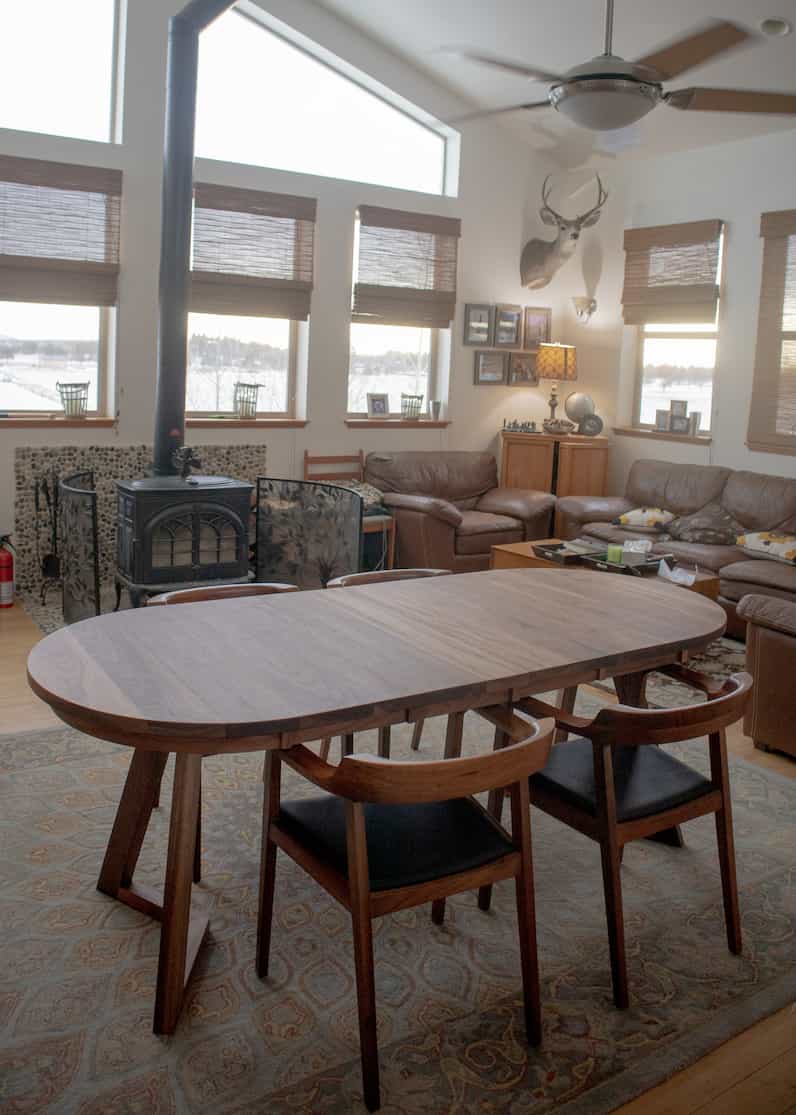
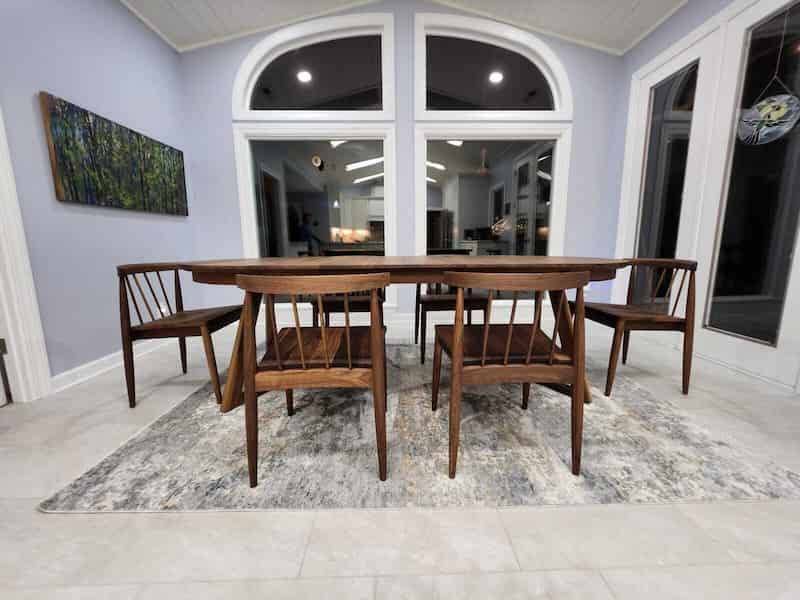
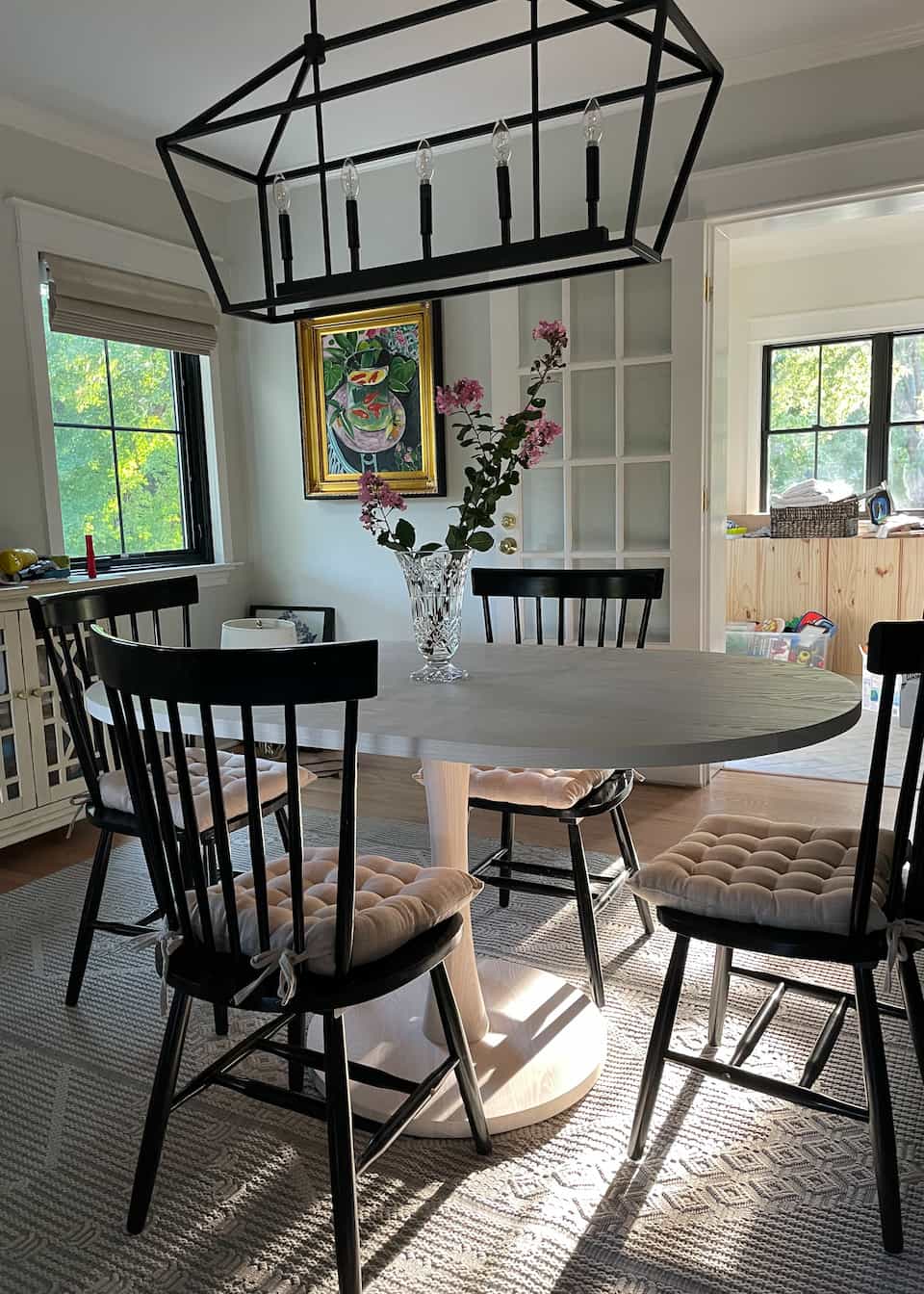
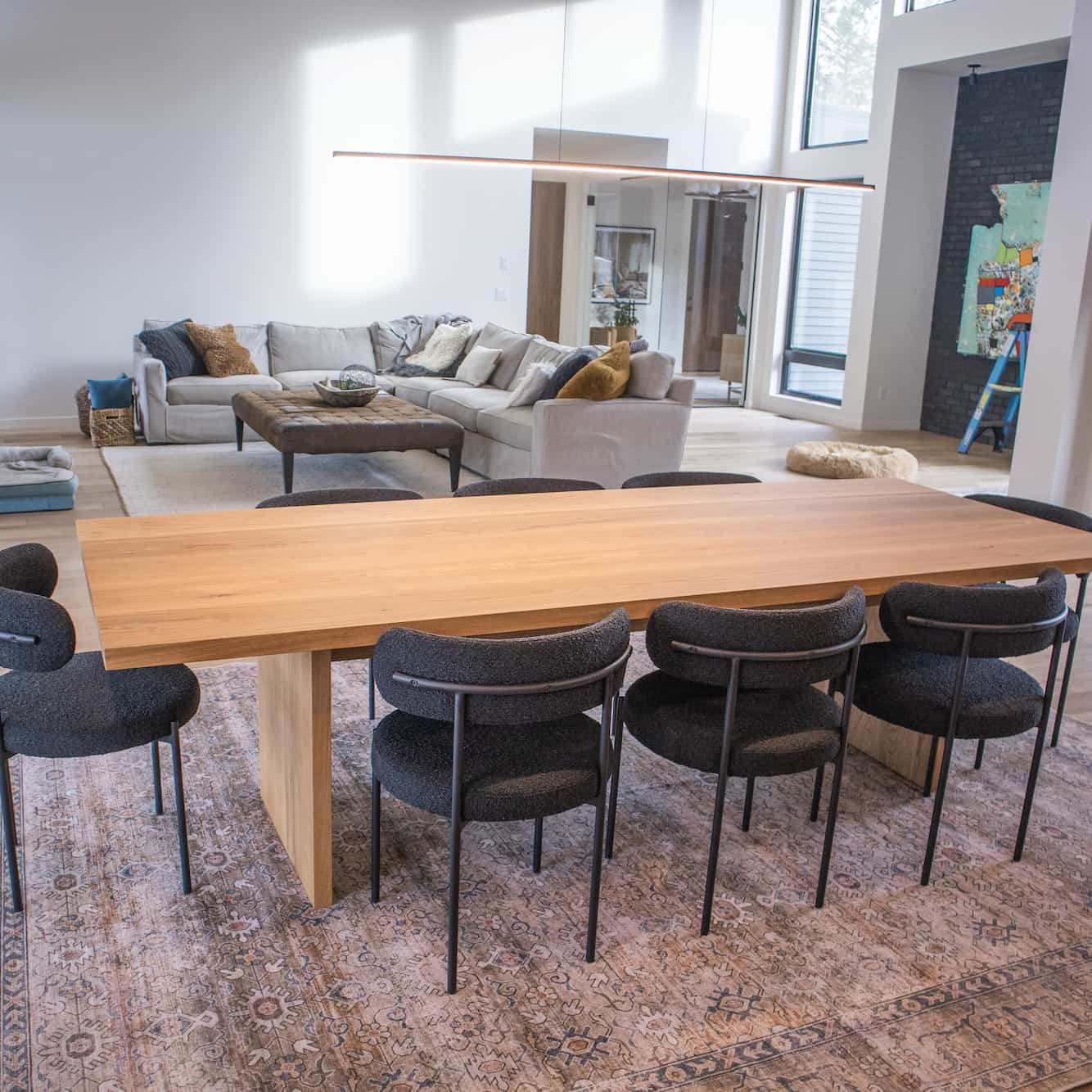
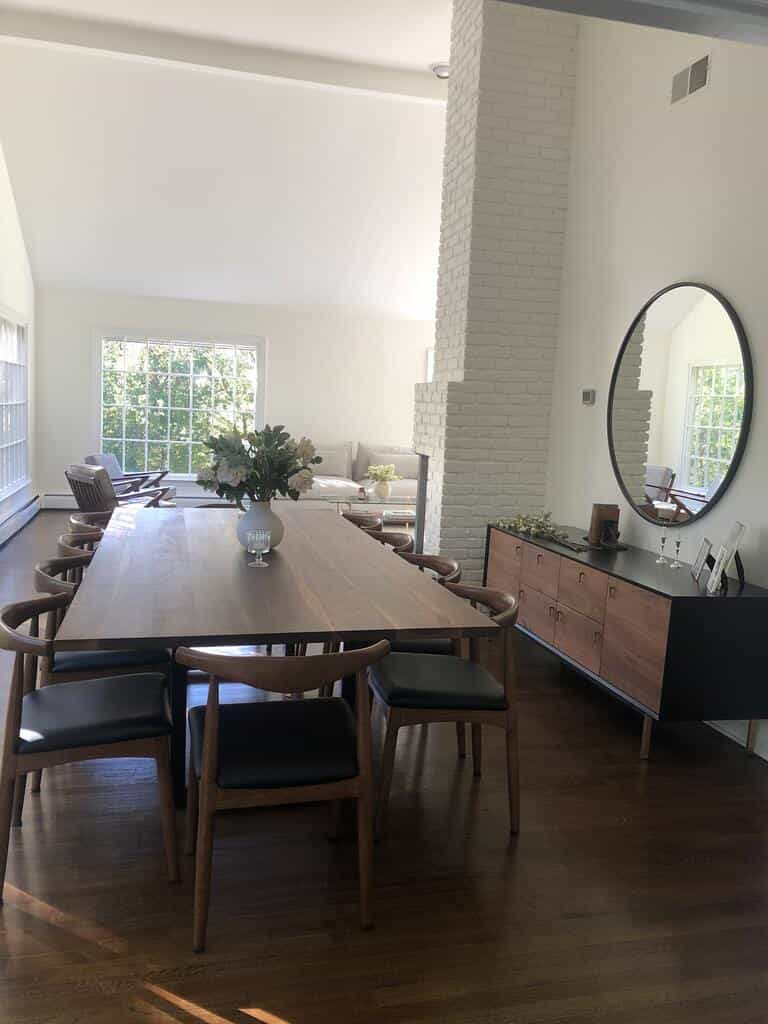
The other thing that differentiates them is the color. Ash is a really white wood, as compared to oak. Traditionally I think of wood as brown, that feels like the color wood is supposed to be. I think it’s probably because tree bark is usually brown, I’m not sure exactly. But wood is supposed to be brown, and most wood is brown. Ash is also brown, but a much whiter brown. This has a really big effect on how it takes stain/oil/color. The wood has a cooler tone on its own, which makes it great for staining it white or grey. With the wood being less brown to begin with, it’s better at becoming a different color. It also can produce some very interesting and pretty browns that aren’t as cool as the brown tones from other woods. Woods like white oak. White oak is really light, so it can be finished many different colors, but it’s warmer than ash. It’s more brown. This makes it take brown finishes really well. The oak helps the brown to be richer and deeper. It makes for really pretty brown finishes. It can also make for very exciting and interesting finishes with grey tones, as the brown warms them up. The wood can often end up with a bit of a greige (grey / beige) color.

Red oak is a little different from white oak. One of the main reasons is that it’s (unsurprisingly) more red. I would even say more pink. This does really interesting things to a lot of different finishes. A lot of brown tone finishes have some green hues to them, which the pink can cancel out. This one comes down to taste mostly, but I suppose that’s always true when it comes to color.

The Price
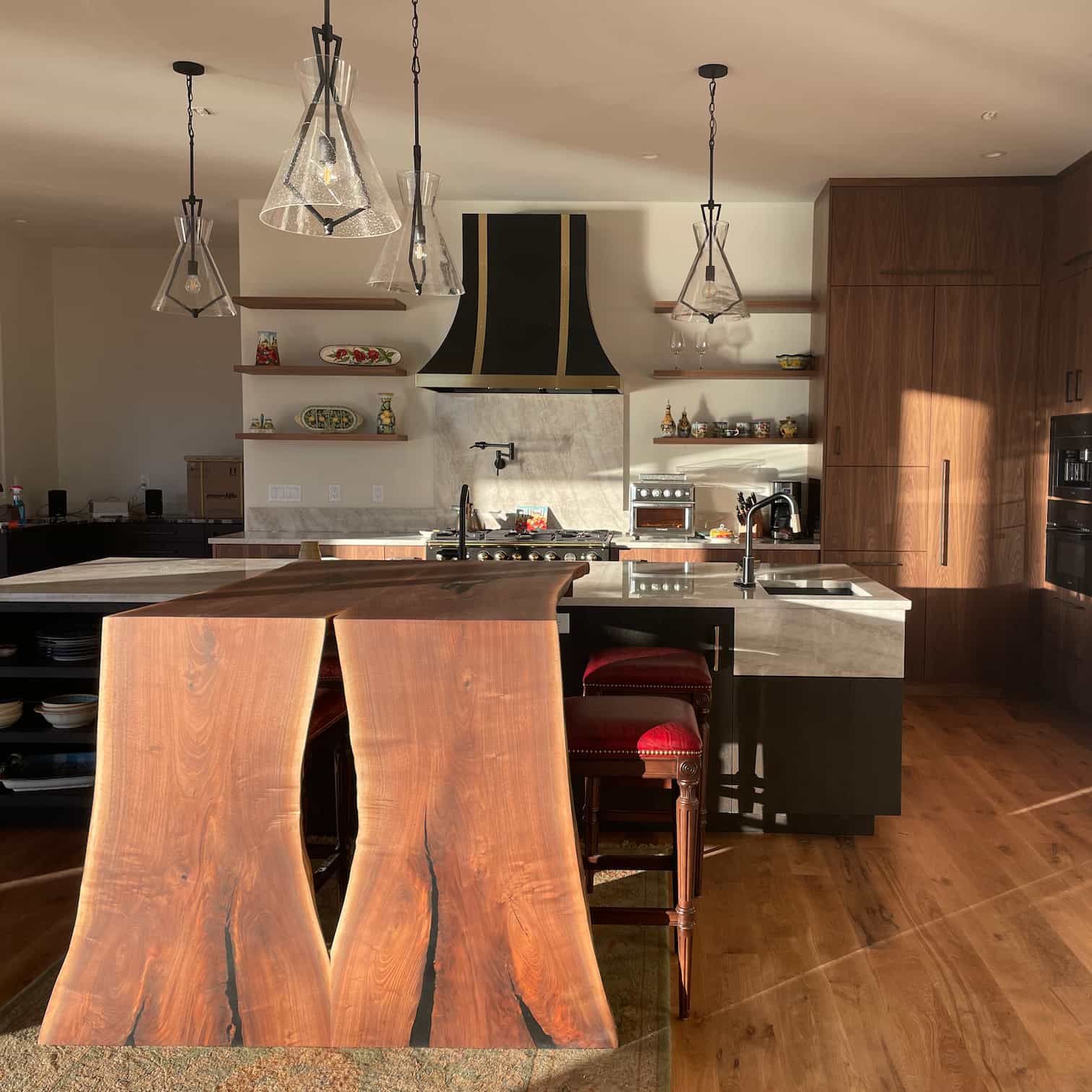
One other difference is price. Particularly white oak is quite a bit more expensive than ash. It’s harder to work with and harder to come by, and people really like it. I have a white oak table. But it’s a bit more expensive wood than ash. Red oak can have some cost savings compared to white oak, and depending on the finish color can look very similar. Ash is pretty easy to come by at the moment, though there’s a beetle that’s been eating all the ash trees, so apparently there won’t be any available in a few years. So prices fluctuate, I won’t promise that this paragraph will always be correct. If you have questions about pricing or any other specifics, reach out to us, we’re happy to help.
Those are the main differences between ash and oak. There are others, but these are the significant ones. Hopefully this helps make sense of the differences, why we suggest one over the other in different circumstances, and why you might choose one or the other. One last thing that’s important to know, they’re both amazing beautiful hardwoods that I would strongly recommend. I’ve used both in my home and continue to. I’m a big fan of both of them.